
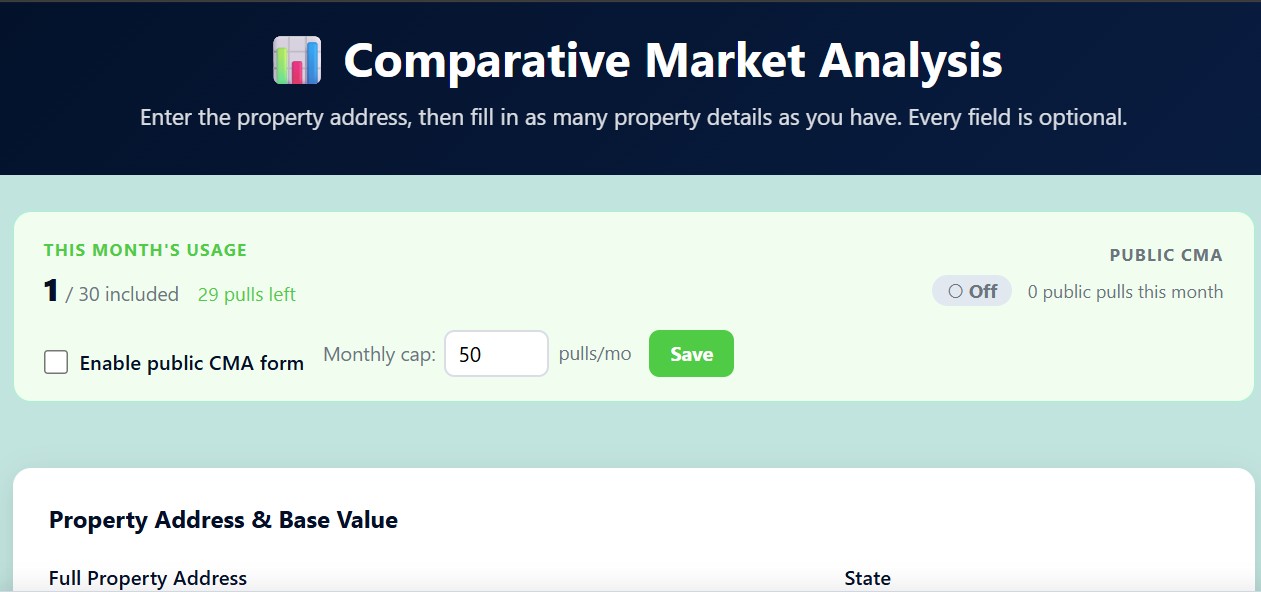
So What Is a CMA
CMA stands for Comparative Market Analysis. It is a report that helps determine what a home is worth based on what similar homes in the same area have recently sold for. Agents use it to help sellers set a listing price and buyers use it to figure out whether a home is priced fairly before making an offer.
The key word in all of that is comparative. A CMA does not pull a number out of thin air. It looks at homes that are as close to yours as possible in terms of location, size, age, and condition, and uses those recent sales to establish a realistic value range for your property.
How Is a CMA Different From an Appraisal
This is one of the most common points of confusion. An appraisal is a formal valuation done by a licensed appraiser, usually required by a lender before they will approve a mortgage. It carries legal weight and costs money.
A CMA is done by a real estate agent and is typically provided at no cost, often as part of a listing consultation. It is not a legally binding document, but a good CMA is incredibly useful for setting expectations before you ever list your home. Think of it as the homework you do before the test.
What Goes Into a CMA
A basic CMA looks at three categories of homes:
Sold listings. These are the most important. Homes that have actually closed in the last three to six months in your area give you real data on what buyers are willing to pay right now, not what sellers hoped to get.
Active listings. Homes currently on the market show you your competition. If three similar homes are listed near yours, buyers are going to compare all of them. Pricing too far above those listings will slow things down.
Expired listings. These are homes that sat on the market without selling. They are just as useful as the sold ones because they show you where pricing goes wrong. If a home identical to yours expired at a certain price, that is a ceiling you want to stay under.
Why the Details Actually Matter
Here is where a lot of CMAs fall short. A basic comp pull just matches square footage and bedroom count and calls it a day. But two homes with the same floor plan can have very different values depending on what is inside and how well things have been maintained.
A thorough CMA accounts for things like roof age, HVAC condition, kitchen updates, flooring, whether the home has a garage, pool, or sits on a larger lot. A house with a brand new roof and updated kitchen is worth more than the identical floor plan next door that has not been touched in fifteen years. A CMA that ignores those details is going to give you a number that does not reflect reality.
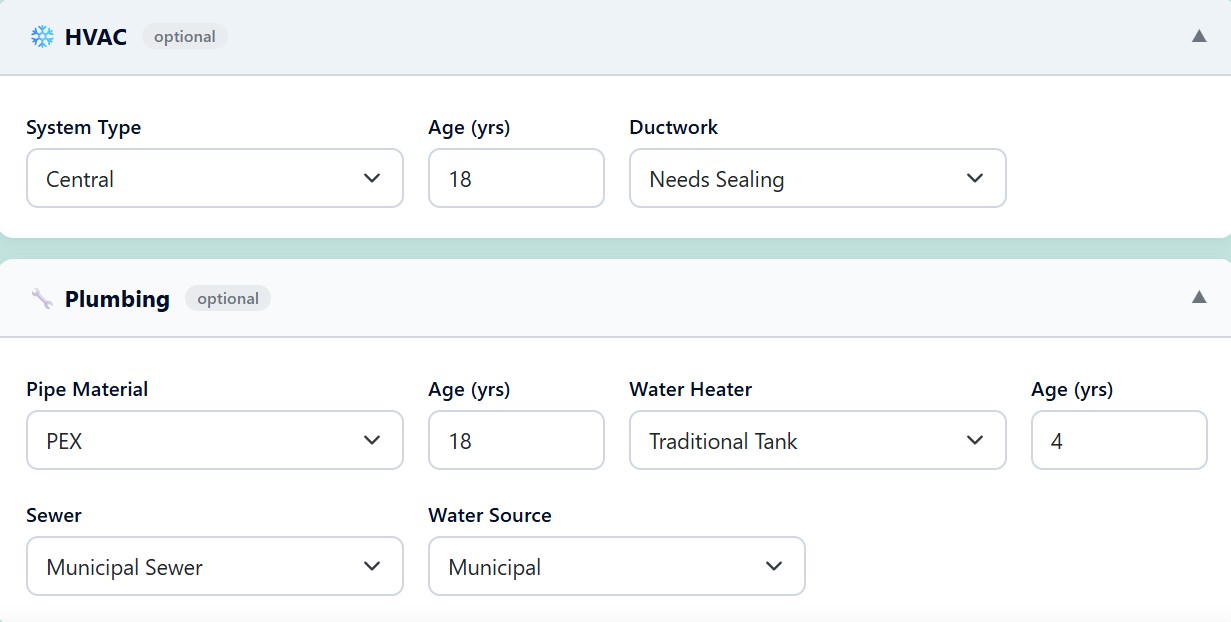
This is why the conversation with your agent before the CMA matters. The more detail they have about your specific property, the more accurate the final number is going to be.
How Agents Use It to Win Your Listing
When an agent comes to a listing appointment, they almost always bring a CMA. It shows the seller what the home is likely worth, what the competition looks like, and what price range makes sense to go to market at.
For sellers this is valuable because it removes a lot of the guesswork. One of the biggest fears people have about selling is leaving money on the table or pricing too high and watching the home sit. A solid CMA gives you confidence that the number you are going with is backed by actual market data, not just a gut feeling.
What To Do With One When You Get It
If an agent presents you with a CMA, do not just look at the final number. Look at which homes they used as comparables and why. Ask how similar they actually are to yours. Ask how recent the sales data is. A comp from two years ago in a shifting market is not nearly as useful as one from last month.
Also pay attention to the price range, not just a single number. A good CMA gives you a realistic range based on condition and market timing. Where you land in that range depends on how motivated you are to sell and how competitive you want to be with your pricing.
The Bottom Line
A CMA is one of the most useful tools in a real estate transaction and one of the least understood. It is not a guarantee of what your home will sell for, but it is the best starting point for making a smart pricing decision. Whether you are thinking about listing soon or just curious about where your home stands, asking an agent for a CMA costs you nothing and tells you a lot.
If you want to see what your home is actually worth, you can request a detailed CMA right here. It takes just a few minutes and gives you a real number based on the specifics of your property, not just a generic estimate.